
Owning a home is a significant milestone and a dream come true for many individuals. It provides a sense of stability, pride, and the opportunity to create a space that reflects one’s personal style and preferences. However, along with the benefits of homeownership comes a set of responsibilities that homeowners must fulfill. These responsibilities range from financial obligations to property maintenance and staying informed on relevant topics. In this article, we will explore ten key duties that homeowners should remember to ensure they fulfill their responsibilities effectively and enjoy a smooth homeownership experience.
1. Property Maintenance
One of the primary responsibilities of homeowners is to properly maintain their property. This includes regular cleaning, repairs, and upkeep of both the interior and exterior of the home. Maintaining a clean and well-maintained property not only enhances its curb appeal but also helps preserve its value over time. Regular tasks such as cleaning gutters, checking for leaks, inspecting the HVAC system, and maintaining the landscaping should be a part of every homeowner’s maintenance routine.
Proactive maintenance not only prevents potential issues from escalating but also saves homeowners from costly repairs in the long run. It is essential to stay on top of routine maintenance tasks and address any issues promptly to ensure the longevity and functionality of your home.
2. Regular Inspections
Regular inspections of the property are crucial for identifying any potential issues or areas that require attention. This includes inspecting the roof, plumbing system, electrical system, foundation, and other structural components of the home. While some inspections can be conducted by homeowners themselves, it is advisable to hire professionals for more comprehensive inspections, especially when buying or selling a property.
By conducting regular inspections, homeowners can catch problems early on and take necessary actions to prevent further damage. It is also recommended to keep a record of all the inspections conducted, along with any repairs or improvements made.


3. Insurance
Homeowners insurance is an essential aspect of responsible homeownership. It provides financial protection in the event of damage or loss to the property or its contents. Homeowners should ensure that they have adequate insurance coverage to protect against risks such as fire, theft, natural disasters, and liability claims.
When obtaining homeowners insurance, it is crucial to carefully review the policy coverage, deductibles, and exclusions. Homeowners should also regularly review their insurance policies to ensure they are up-to-date and in line with their current needs.
4. Real Estate Taxes
Paying real estate taxes is a legal obligation that homeowners must fulfill. These taxes are typically based on the assessed value of the property and are used to fund various public services and infrastructure in the community.
Homeowners should be aware of the deadlines for paying real estate taxes and ensure that they are promptly fulfilled. Failure to pay these taxes can lead to penalties, interest charges, and even a potential lien on the property.
5. Utility Payments
Homeowners are responsible for paying for the utilities they consume, including electricity, water, gas, and sewer services. It is essential to stay on top of utility payments to avoid service disruptions and late payment penalties.
Monitoring utility bills and implementing energy-efficient practices can also help homeowners reduce their monthly costs. This can include conserving energy by turning off lights when not in use, using energy-efficient appliances, and properly insulating the home to optimize heating and cooling.
6. Trash Collection
Proper waste management is a duty that homeowners must fulfill. This includes arranging for regular trash collection or disposal as per the guidelines set by the local municipality. Homeowners should familiarize themselves with the local regulations regarding waste management and ensure they comply with the specified guidelines.
Additionally, homeowners can adopt sustainable practices such as recycling, composting, and reducing waste to contribute to a healthier environment and community.
7. Landscaping
Maintaining the outdoor space and landscaping of the property is another responsibility of homeowners. This includes tasks such as mowing the lawn, trimming shrubs and trees, weeding, and maintaining flower beds. Keeping the exterior of your home well-maintained enhances its curb appeal and creates a welcoming environment.
Homeowners can choose to do the landscaping themselves or hire professional landscapers to ensure the proper care and maintenance of their outdoor space.
8. Preventative Maintenance
Preventative maintenance involves taking proactive measures to prevent potential issues or damages before they occur. This can include tasks such as cleaning or replacing air filters, inspecting and maintaining the HVAC system, checking for water leaks, sealing cracks, and maintaining appliances.
By engaging in preventative maintenance, homeowners can identify and address small issues before they become significant problems, saving themselves the time, effort, and cost of dealing with more significant repairs down the line.
9. Seasonal Upkeep
Each season brings its own set of tasks and maintenance requirements. Homeowners should be prepared to perform seasonal upkeep to ensure their property is well-maintained throughout the year.
In the winter, this may involve tasks such as snow removal, protecting pipes from freezing, and ensuring proper insulation. In the spring, homeowners may need to focus on cleaning, decluttering, and preparing the garden for the upcoming season. Summer may involve lawn maintenance, watering plants, and inspecting and repairing any damage caused by the harsh winter. Lastly, in the fall, homeowners should focus on tasks such as gutter cleaning, raking leaves, and preparing the home for colder temperatures.
10. Staying Informed
Homeownership is a dynamic and ever-evolving process, and it is vital for homeowners to stay informed on relevant topics. This includes staying updated on changes in real estate laws and regulations, understanding the local housing market, and being aware of any new developments or trends in home maintenance and improvements.
Subscribing to newsletters, joining community forums, and attending workshops or seminars can help homeowners stay informed and make better decisions regarding their property. Additionally, seeking guidance from professionals, such as an Accredited Buyer’s Representative (ABR®), can provide homeowners with valuable insights and expertise to navigate the complexities of homeownership.
In Conclusion


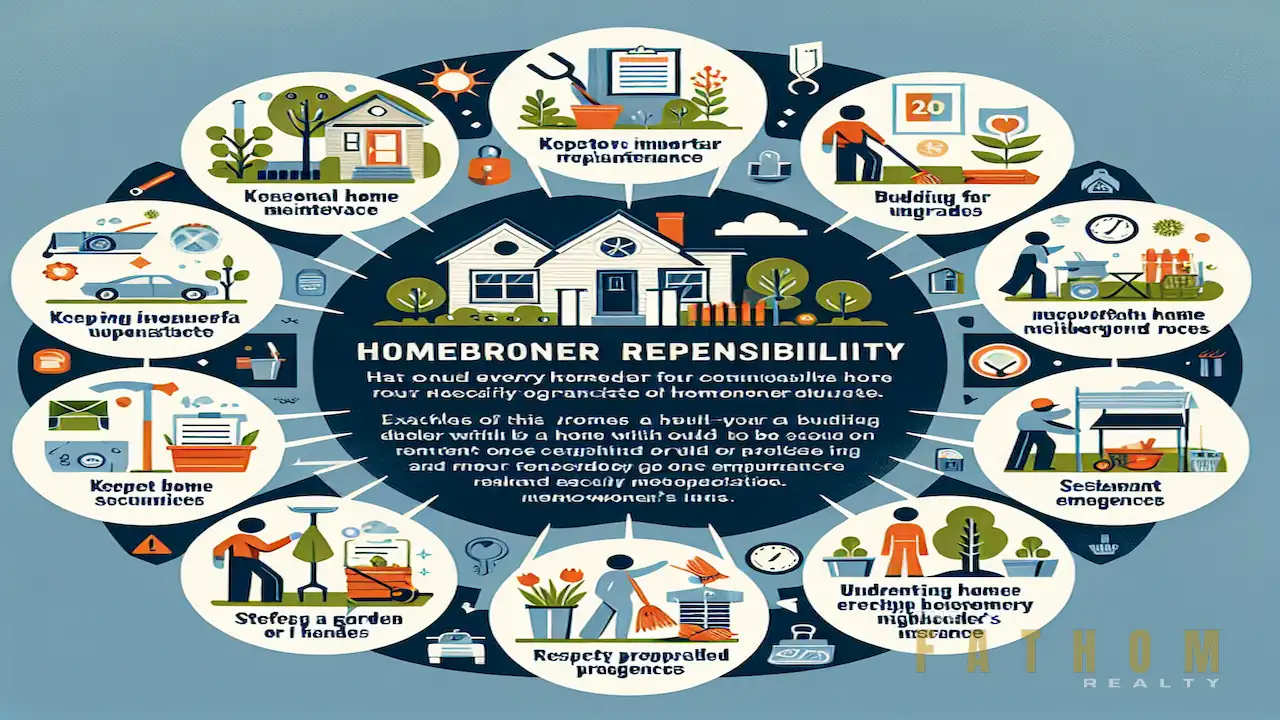


Owning a home comes with a set of responsibilities that homeowners must fulfill to ensure the smooth operation and maintenance of their property. From property maintenance and insurance to real estate taxes and utility payments, homeowners have several duties that they must remember and prioritize. By being proactive, taking preventative measures, and staying informed, homeowners can enjoy a rewarding and fulfilling homeownership experience for years to come.
Video related to Responsibilities of Homeowners: 10 Key Duties to Remember

Emily, a seasoned real estate expert, weaves her passion for architecture into her blog. With a knack for storytelling, she guides readers through the intricate world of real estate, making every property tale a captivating journey.
Related posts
 Buyer’s Role in Home Inspections: Essential Guide
 Avoid Pine Sol and Harmful Products to Maintain Your Dishwasher
 Do repairs need to be done during due diligence in NC
 Understanding Winston Salem Real Estate Taxes at Closing
 Public or Private Neighborhoods: Road Upkeep Responsibility
 Why is a Clue report important for buying a house
 What is the Architectural Control Committee in my HOA’s ACC
 What are the essential terms in real estate when buying a house
 Determining Road Ownership: Public vs Private Streets
 What are the advantages of flat roof trusses in modern homes
 What are the key facts of the Home Possible Mortgage Program
 Expert Home Inspector Tips from NCHILB for Property Buyers


