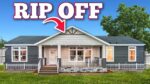
Discover the true costs associated with modular homes today, from construction to delivery. Learn how these expenses can vary and what to expect in 2023.
The Basics of Modular Home Pricing
Modular homes are a popular choice for many homebuyers due to their affordability and efficiency. However, understanding the costs involved is crucial for making an informed decision. The pricing of modular homes can vary significantly based on several factors.
One of the primary factors influencing cost is the location where the home will be placed. Different regions have varying labor and material costs, which can impact the overall price. Additionally, local building codes and regulations may require specific modifications that can add to expenses.




Another important aspect to consider is the design and customization options available. Modular homes can be tailored to fit individual preferences, but this customization can also lead to increased costs. Buyers should weigh their desires against their budget to find the right balance.
Lastly, the size of the home plays a critical role in determining costs. Larger homes generally require more materials and labor, leading to higher prices. Understanding these basics can help potential buyers navigate the modular home market effectively.
Factors Influencing Modular Home Costs
Several key factors affect the pricing of modular homes. Understanding these can help buyers anticipate their expenses more accurately.
1. **Location**: As mentioned earlier, the geographical area significantly impacts costs. Urban areas may have higher costs due to demand, while rural locations might offer lower prices.
2. **Customization**: The level of customization desired can greatly influence the final price. Standard models are typically more affordable than fully customized homes.
3. **Size**: The overall square footage of the home is a major cost driver. Larger homes not only require more materials but also may incur higher transportation and installation costs.
Breaking Down Construction Costs

Construction costs for modular homes can be divided into several categories, each contributing to the total price. Understanding these categories can provide clarity on where your money is going.
1. **Materials**: The quality and type of materials used can vary widely. From basic to high-end finishes, the choice of materials will significantly affect the overall cost.
2. **Labor**: Labor costs can also fluctuate based on the complexity of the build and local wage rates. Skilled labor may demand higher pay, impacting the overall budget.
3. **Transport**: Transportation costs for modular homes can be substantial, especially for long distances. The logistics of moving large sections of the home to the site must be factored into the budget.
Additional Costs to Consider
In addition to the primary construction costs, there are several additional expenses that buyers should be aware of when budgeting for a modular home.
1. **Site Preparation**: Before a modular home can be placed, the site must be prepared. This may include clearing land, laying a foundation, and connecting utilities.
2. **Permits and Fees**: Local regulations often require various permits, which can add to the overall cost. Buyers should research these requirements early in the process.
3. **Insurance**: Home insurance is essential and can vary based on the home’s value, location, and other risk factors. This ongoing cost should be included in the overall budget.
Financing Options for Modular Homes
Financing a modular home can differ from traditional home loans. Understanding the available options is vital for potential buyers.
1. **Conventional Loans**: Many lenders offer conventional loans for modular homes, but it’s important to verify that the home meets specific criteria.
2. **FHA Loans**: The Federal Housing Administration (FHA) provides loans that can be used for modular homes, making them accessible to a wider range of buyers.
3. **Personal Loans**: For those looking to finance a modular home without a traditional mortgage, personal loans may be an option, though they often come with higher interest rates.
Understanding the Loan Process
The process of securing financing for a modular home can be complex. Here are key steps to consider:
1. **Pre-Approval**: Obtaining pre-approval from a lender can help buyers understand their budget and streamline the purchasing process.
2. **Documentation**: Buyers will need to provide various documents, including income verification and credit history, to secure financing.
3. **Closing Costs**: Be prepared for closing costs, which can include fees for appraisals, inspections, and other necessary services.
Current Trends in Modular Home Costs
The modular home market is constantly evolving, influenced by economic factors, consumer preferences, and technological advancements. Staying informed about current trends can help buyers make better decisions.
1. **Rising Material Costs**: As demand for building materials increases, prices have also risen. This trend can affect the overall cost of modular homes.
2. **Sustainability**: There is a growing interest in sustainable building practices, which can impact costs. Eco-friendly materials and energy-efficient designs may have higher upfront costs but can lead to savings in the long run.
3. **Technological Advances**: Innovations in construction technology are making modular homes more efficient to build, potentially lowering costs. Buyers should look for builders who embrace these advancements.
Future of Modular Home Pricing
As the market continues to change, understanding the future of modular home pricing is essential for potential buyers.
1. **Market Demand**: Increased demand for affordable housing may drive prices up, making it crucial for buyers to act quickly.
2. **Economic Factors**: Economic fluctuations can impact material costs and labor availability, affecting overall pricing in the modular home market.
3. **Government Incentives**: Potential government incentives for sustainable building practices could influence pricing structures, making modular homes more appealing.
- Number of bedrooms and bathrooms
- Square footage and layout preferences
- Type of exterior materials (vinyl, wood, etc.)
- Energy efficiency ratings
- Customization options (floor plans, finishes)
- Land costs: Acquiring land can be a significant expense, and buyers should factor in the price of the lot along with any associated fees.
- Utility connections: Costs for connecting to water, sewer, electricity, and gas can vary widely based on location and existing infrastructure.
- Landscaping: After the home is installed, additional costs for landscaping and outdoor improvements should be considered.
Frequently Asked Questions (FAQ)
What are the average costs of modular homes?
The average cost of modular homes typically ranges from $100 to $200 per square foot, depending on factors like location, design, and materials. Overall, modular homes can be more affordable than traditional homes, as they often require less time and labor to construct.
Are modular homes cheaper than traditional homes?
Yes, modular homes are generally cheaper than traditional homes. They benefit from streamlined construction processes and bulk purchasing of materials, which can lower costs. However, the final price can vary based on customization, location, and additional features.
What factors influence the cost of modular homes?
Several factors influence the cost of modular homes, including size, design complexity, materials used, and site preparation. Additionally, local building codes and labor costs can affect the overall price. Customizations and upgrades will also impact the final cost.
Do modular homes appreciate in value?
Modular homes can appreciate in value, similar to traditional homes, especially if they are well-maintained and located in desirable areas. However, factors such as market conditions, location, and the quality of construction play significant roles in determining appreciation rates.
What are the financing options for modular homes?
Financing options for modular homes include traditional mortgages, FHA loans, and VA loans. Some lenders specialize in modular home financing, offering competitive rates. It’s essential to shop around and understand the specific requirements for each financing option.
Related posts
 Debunking 5 Myths About Modular Homes
 Understanding Modular Homes: Benefits & Features Explained
 Modular Homes vs Stick Built: Costly Differences Explained
 Modular vs Manufactured Homes: Key Cost Differences
 Key Differences Between Kit and Modular Homes Explained
 Modular Home Companies Exposed: The Truth Behind the Claims
 Why Modular Homes Outperform Stick Built Houses
 Understanding Hidden Costs of Modular and Manufactured Homes
 Top 5 Myths About Manufactured Homes Explained
 Understanding the True Cost of Manufactured Homes
 Top Modular Home Companies to Watch in 2023
 Build a House in 2 Hours with Foldable Modular Homes