Exploring modular and manufactured homes reveals hidden costs that can significantly impact your budget. Discover the financial nuances that can catch homeowners off guard.
What Are Modular and Manufactured Homes?
Modular and manufactured homes are often seen as affordable housing options. However, understanding their definitions is crucial. Modular homes are built in sections in a factory and transported to the site, while manufactured homes are built entirely in a factory and placed on a permanent foundation.
Both types of homes offer unique advantages, such as quicker construction times and lower costs compared to traditional homes. However, the terminology can be confusing, and potential buyers should be aware of the distinctions.


For instance, modular homes are typically subject to the same building codes as site-built homes, which can affect their resale value. In contrast, manufactured homes often have different regulations, impacting their financing and insurance options.
Understanding these differences can help prospective buyers make informed decisions about their housing options.
Hidden Costs to Consider
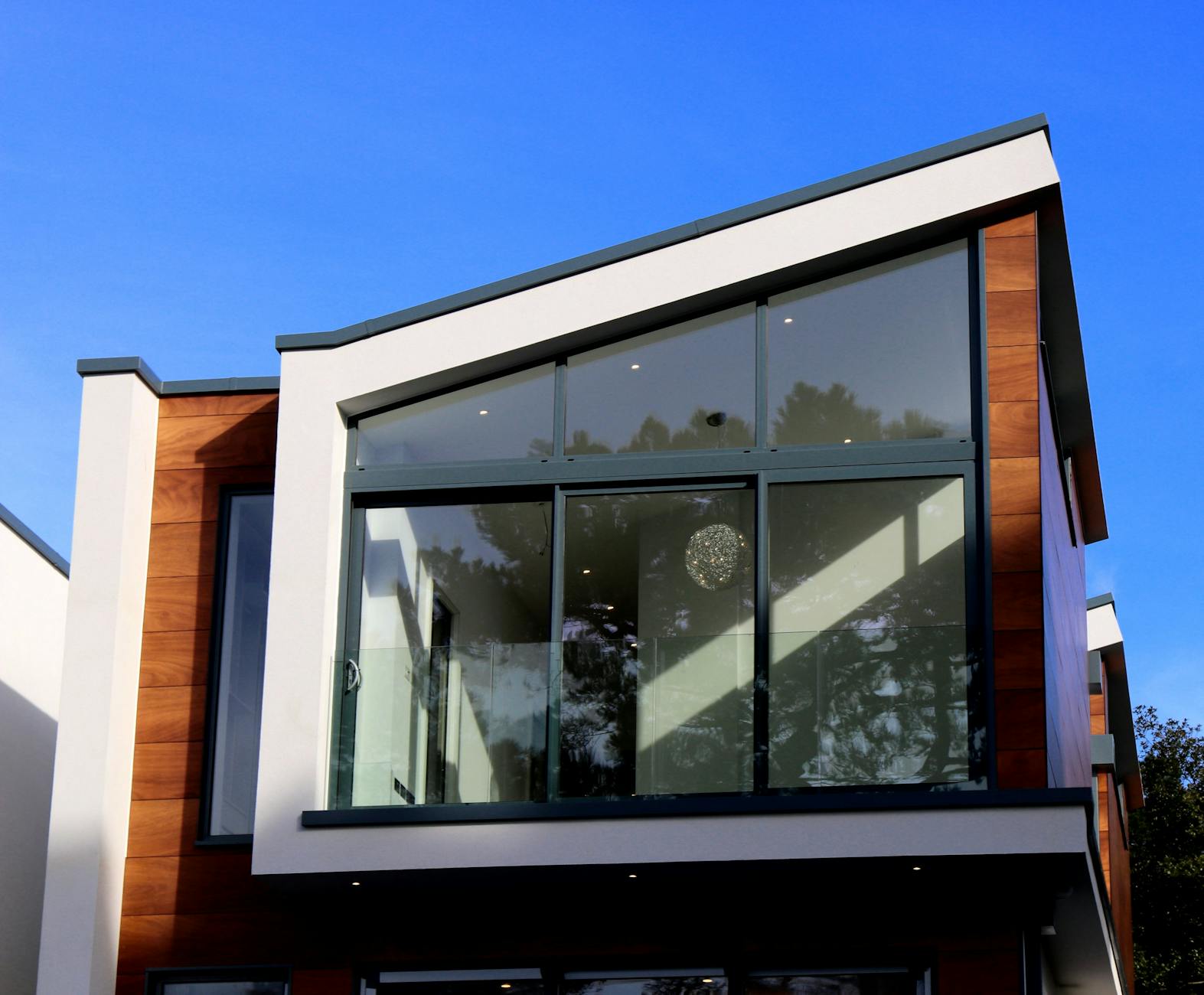
When purchasing a modular or manufactured home, many buyers focus on the sticker price without considering additional expenses. These hidden costs can add up quickly, affecting the overall affordability of the home.
One significant hidden cost is site preparation. This includes clearing land, leveling, and installing utilities, which can vary greatly depending on the location. Buyers should budget for these expenses as they can range from a few thousand to tens of thousands of dollars.
Another hidden cost is transportation. Moving a modular home to the site involves trucking fees, which can be substantial, especially if the home is being transported over long distances. Additionally, permits and inspections may be required, adding to the overall cost.
Buyers should also consider the cost of land. Purchasing land can be a significant investment, and the location will impact not only the price but also future appreciation and resale value.
Financing Challenges
Financing modular and manufactured homes can present unique challenges. Traditional mortgage lenders may not offer loans for these types of homes, leading buyers to seek alternative financing options.
Many buyers turn to personal loans or specialized lenders that focus on modular and manufactured homes. However, these loans often come with higher interest rates and less favorable terms compared to conventional mortgages.
Additionally, the depreciation of manufactured homes can make financing more difficult. Unlike traditional homes that typically appreciate over time, manufactured homes may lose value, impacting the buyer’s equity and ability to refinance.
Understanding these financing challenges is essential for potential buyers to ensure they can secure the necessary funds without incurring excessive costs.
Insurance Considerations
Insurance for modular and manufactured homes can differ significantly from traditional home insurance. Buyers should be aware of these differences to avoid unexpected expenses.
Manufactured homes often require specialized insurance policies that can be more expensive than standard homeowners insurance. This is due to the perceived higher risk associated with these types of homes.
Additionally, factors such as location, age of the home, and whether it is classified as personal property or real estate can affect insurance premiums. Buyers should shop around and compare quotes from different insurance providers to find the best coverage at the most affordable price.
It’s also important to ensure that the insurance policy covers all potential risks, including natural disasters, which can be particularly relevant depending on the geographical area.
- Driveway installation
- Deck or porch construction
- Landscaping and planting
- Fencing
- Outdoor lighting
- Roof inspections and repairs
- HVAC system servicing
- Plumbing and electrical checks
- Exterior maintenance (painting, siding repairs)
- Foundation inspections
Frequently Asked Questions (FAQ)
What are the hidden costs of modular homes?
Hidden costs of modular homes can include site preparation, utility connections, and permits. Additionally, expenses for landscaping, foundation work, and insurance may arise. Buyers should budget for these potential costs to avoid surprises during the purchasing process.
How do hidden costs differ between modular and manufactured homes?
While both types of homes may incur hidden costs, modular homes often require more extensive site work and customization, leading to higher expenses. Manufactured homes typically have lower initial costs but may involve fees for transportation and setup, which can add up.
Are there financing options that cover hidden costs?
Yes, some lenders offer financing options that include hidden costs, such as site preparation and utility connections. It’s essential to discuss these options with your lender to ensure you have adequate funds for all expenses associated with your home purchase.
How can I estimate hidden costs before buying?
To estimate hidden costs, research local building codes, site preparation requirements, and utility connection fees. Consulting with a contractor or real estate agent can provide insights into potential expenses. Additionally, reviewing similar projects can help gauge costs more accurately.
What should I include in my budget for a modular home?
Your budget for a modular home should include the base price, site preparation, utility connections, permits, and landscaping. Additionally, factor in insurance, taxes, and potential upgrades. A comprehensive budget will help ensure you can cover all necessary expenses without financial strain.
Related posts
 Modular vs Manufactured Homes: Key Cost Differences
 Top 5 Myths About Manufactured Homes Explained
 Debunking 5 Myths About Modular Homes
 Modular Home Companies Exposed: The Truth Behind the Claims
 Why Modular Homes Outperform Stick Built Houses
 Affordable Tiny Manufactured Homes on Amazon Under $40k
 Affordable Homes on Amazon: 5 Options Under $30K
 Avoid Costly Mistakes with Prefab & Manufactured Homes
 5 Reasons to Avoid Buying a Tiny Manufactured Home
 Build a House in 2 Hours with Foldable Modular Homes
 Affordable Tiny Homes at Home Depot Under $30K
 Why He Regretted Buying a Clayton Home