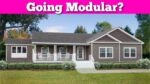
Explore the costly distinctions between kit and modular homes, from construction methods to overall value. Discover which option suits your needs and budget best.
Understanding Kit Homes
Kit homes are prefabricated structures that come with all the necessary materials for assembly. They are designed to be built by the homeowner or a contractor, making them an attractive option for DIY enthusiasts.
Typically, kit homes include detailed plans and instructions, allowing for a relatively straightforward construction process. This can significantly reduce labor costs, as homeowners can take on much of the work themselves.


One of the main advantages of kit homes is their affordability. With a variety of designs and sizes available, buyers can choose a model that fits their budget while still achieving their dream home.
However, the quality of kit homes can vary widely depending on the manufacturer. It’s crucial to research and select a reputable company to ensure the materials and design meet your expectations.
Cost Factors of Kit Homes
The cost of a kit home can range from $20,000 to over $100,000, depending on the size and complexity of the design. Basic models are often more affordable, while larger, custom designs can quickly escalate in price.
Additional expenses include land acquisition, site preparation, and utilities. Homeowners should also budget for permits and inspections, which can add to the overall cost.
Financing options for kit homes may differ from traditional mortgages, so potential buyers should explore various lending options to find the best fit for their financial situation.
Insurance costs can also vary, as some insurers may view kit homes as higher risk due to their unconventional construction methods.
Exploring Modular Homes

Modular homes are constructed in sections or modules in a factory setting before being transported to the building site. These homes are then assembled on a permanent foundation, offering a more traditional appearance compared to kit homes.
One of the primary benefits of modular homes is their speed of construction. Since they are built in a controlled environment, weather delays are minimized, allowing for quicker project completion.
Modular homes also tend to have a higher resale value than kit homes, making them a more attractive long-term investment. Their construction methods often adhere to higher building codes, ensuring durability and safety.
Customization is another advantage of modular homes. Buyers can often choose from a range of layouts, finishes, and features, allowing for a more personalized living space.
Cost Considerations for Modular Homes
The price of modular homes generally starts at around $50,000 and can exceed $200,000 depending on size, design, and customization options. While they may have a higher initial cost compared to kit homes, their value retention can make them a wise investment.
Similar to kit homes, additional costs such as land, utilities, and permits must be factored into the total price. However, the financing process for modular homes is often more straightforward, as they are viewed more like traditional homes by lenders.
Insurance for modular homes is typically easier to obtain, and premiums may be lower due to the higher construction standards they meet.
When considering a modular home, it’s essential to work with a reputable builder who has experience in the modular construction industry to ensure quality and compliance with local regulations.
Comparing Construction Processes
The construction process for kit homes involves assembling prefabricated materials on-site, which can vary in complexity based on the homeowner’s skill level. This DIY approach can lead to significant savings but requires time and effort.
In contrast, modular homes are built in sections in a factory and then transported to the site for assembly. This method allows for greater precision and quality control, as the construction occurs in a controlled environment.
Both methods have their advantages and disadvantages. Kit homes offer more flexibility for DIY enthusiasts, while modular homes provide a more streamlined and professional construction experience.
Ultimately, the choice between kit and modular homes will depend on the homeowner’s preferences, budget, and willingness to engage in the construction process.
Quality and Durability
Quality can vary significantly between kit and modular homes. Kit homes often depend on the materials chosen by the homeowner and the quality of the assembly. Poor assembly can lead to structural issues over time.
Modular homes, on the other hand, are built to meet strict building codes and standards, ensuring a higher level of durability and safety. They are often designed to withstand transportation and installation, which can enhance their overall strength.
Homeowners should consider the long-term implications of quality when choosing between these two options. A well-constructed modular home may offer better longevity and lower maintenance costs compared to a kit home that has been poorly assembled.
Researching manufacturers and builders is crucial to ensure that the chosen home meets the desired quality standards.
Regulations and Permits
Both kit and modular homes require permits and adherence to local building codes. However, the regulations may differ based on the construction method. Kit homes may face more scrutiny due to their DIY nature.
Modular homes typically undergo inspections during the factory construction process, ensuring compliance with local codes before they arrive on-site. This can streamline the permitting process and reduce delays.
Homeowners should familiarize themselves with local regulations regarding both types of homes to avoid potential issues during construction. Engaging with local authorities early in the process can provide clarity on necessary permits and inspections.
Understanding the legal landscape is essential for a successful building experience, regardless of whether one chooses a kit or modular home.
- Research potential manufacturers and compare their offerings.
- Review customer testimonials and ratings for quality assurance.
- Request samples of materials if possible.
- Understand the warranty options available for the kit.
- Calculate the total estimated costs, including hidden fees.
Frequently Asked Questions (FAQ)
What is a kit home?
A kit home is a prefabricated structure that comes with all necessary materials and instructions for assembly. Buyers receive components like walls, roofs, and flooring, which they can construct themselves or hire a contractor to build, offering flexibility and often lower costs compared to traditional homes.
What is a modular home?
A modular home is built in sections or modules in a factory and then transported to the site for assembly. These homes are constructed to meet local building codes and can be customized, providing a more traditional home feel while still being cost-effective and efficient.
How do kit homes and modular homes differ in construction?
Kit homes are typically assembled on-site by the owner or a contractor using pre-cut materials, while modular homes are factory-built and delivered as complete sections. This difference affects construction time, with modular homes often being quicker to erect due to their factory assembly process.
Which is more affordable: kit homes or modular homes?
Generally, kit homes can be more affordable due to lower material costs and the option for DIY assembly. However, modular homes may offer better value in terms of quality and speed of construction. Ultimately, the cost will depend on specific designs and local market conditions.
Are kit homes and modular homes customizable?
Yes, both kit and modular homes offer customization options. Kit homes allow buyers to choose layouts and finishes, while modular homes can be tailored in design and features, often with more structural options. Customization levels can vary by manufacturer, so it’s essential to explore available choices.
Related posts
 Modular Homes vs Stick Built: Costly Differences Explained
 Debunking 5 Myths About Modular Homes
 Modular vs Manufactured Homes: Key Cost Differences
 Why Modular Homes Outperform Stick Built Houses
 Modular Home Companies Exposed: The Truth Behind the Claims
 Top Modular Home Companies to Watch in 2023
 Build a House in 2 Hours with Foldable Modular Homes
 Understanding Hidden Costs of Modular and Manufactured Homes
 Build A House In 28 Minutes: SNAP Together Homes
 Affordable Homes on Amazon: 5 Options Under $30K
 Top 5 Myths About Manufactured Homes Explained
 Building a Home in Just 48 Minutes: A Fast Construction Journey