Considering a manufactured home? Discover crucial insights to ensure your investment is sound and meets your needs.
Understanding Manufactured Homes
Manufactured homes, often referred to as mobile homes, are built in factories and transported to their locations. This method of construction allows for a variety of designs and price points, making them an attractive option for many buyers.
Unlike traditional homes, manufactured homes are constructed according to federal building codes, ensuring safety and quality. However, potential buyers should be aware of the differences in ownership and financing.




Many people are drawn to manufactured homes due to their affordability. They offer a lower entry price compared to site-built homes, making homeownership accessible to a broader audience.
However, it’s essential to do thorough research before making a purchase. Understanding zoning laws, land ownership, and community regulations can significantly impact your experience as a manufactured home owner.
Key Considerations Before Buying
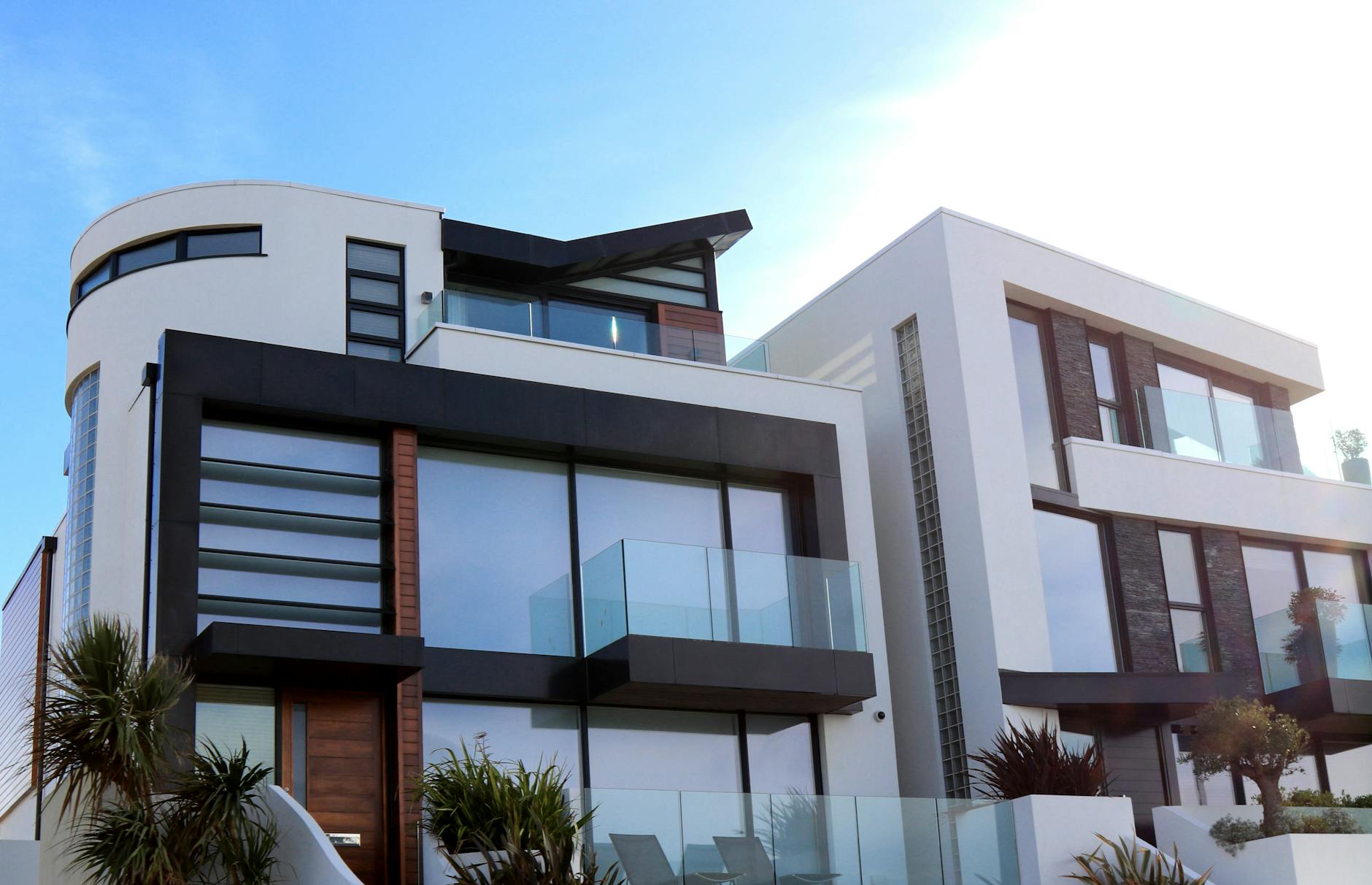
Before diving into the manufactured home market, consider the following critical factors that can influence your decision.
First, assess your financial situation. Manufactured homes can be financed through various means, but the terms may differ from traditional mortgages. Understanding your budget and financing options is crucial.
Second, investigate the location. The land on which the home sits can affect its value and your living experience. Ensure that the area is suitable for your lifestyle and future plans.
Third, consider the resale value. Manufactured homes can depreciate over time, unlike traditional homes that typically appreciate. Research the market trends in your desired area.
Types of Manufactured Homes
Manufactured homes come in various types, each catering to different needs and preferences.
Single-section homes are the most common type, offering a compact and efficient living space. They are ideal for individuals or small families looking for affordability.
Double-section homes provide more space and often include multiple bedrooms and bathrooms. These are suitable for larger families or those who desire more room for entertaining.
Triple-section homes offer the most space and luxury, with expansive layouts and high-end features. They are perfect for buyers seeking a spacious, comfortable living environment.
Common Misconceptions About Manufactured Homes
There are several misconceptions surrounding manufactured homes that can deter potential buyers.
One common myth is that manufactured homes are of lower quality than traditional homes. In reality, they are built to rigorous standards and can be just as durable and comfortable.
Another misconception is that manufactured homes are not customizable. Many manufacturers offer a range of customization options, allowing buyers to personalize their homes to suit their tastes.
Lastly, some believe that manufactured homes are difficult to finance. While financing can be different, many lenders specialize in manufactured home loans, making it easier to secure funding.
Maintenance and Upkeep
Maintaining a manufactured home is essential for preserving its value and ensuring a comfortable living environment.
Regular inspections of the roof, plumbing, and electrical systems can help identify issues early. Addressing problems promptly can prevent costly repairs down the line.
Exterior maintenance, such as cleaning gutters and checking for water damage, is equally important. Keeping the exterior in good condition enhances curb appeal and longevity.
Lastly, consider seasonal maintenance tasks, like winterizing your home. Proper preparation for changing weather conditions can protect your investment.
- Inspecting the roof for leaks or damage at least twice a year.
- Cleaning gutters and downspouts to prevent water damage.
- Checking and replacing air filters in heating and cooling systems regularly.
- Inspecting plumbing for leaks or signs of wear.
- Ensuring smoke detectors and carbon monoxide detectors are functional.
Frequently Asked Questions (FAQ)
What should I consider before buying a manufactured home?
Before purchasing a manufactured home, consider factors like location, zoning regulations, financing options, and the reputation of the manufacturer. Additionally, assess the home’s condition, warranty options, and whether it meets your lifestyle needs. Understanding these elements can help ensure a satisfactory purchase experience.
How do I finance a manufactured home?
Financing a manufactured home can differ from traditional home loans. Options include personal loans, chattel loans, or FHA loans for manufactured homes. It’s essential to shop around for lenders who specialize in manufactured home financing and understand the specific requirements and interest rates associated with each option.
What are the advantages of buying a manufactured home?
Manufactured homes often come with lower costs compared to traditional homes, making them an affordable housing option. They can be customized to your preferences and are typically quicker to set up. Additionally, many manufactured homes are energy-efficient, which can lead to lower utility bills over time.
Are manufactured homes a good investment?
Manufactured homes can be a good investment, especially in markets where traditional housing is unaffordable. However, factors like location, market trends, and the home’s condition play a significant role in its long-term value. Researching the area and understanding the resale potential is crucial before investing.
What are common issues with manufactured homes?
Common issues with manufactured homes include structural problems, improper installation, and maintenance challenges. It’s important to have a thorough inspection before purchase to identify potential issues. Additionally, be aware of the need for regular maintenance, particularly with plumbing and electrical systems, to ensure longevity.
Related posts
 Top 5 Myths About Manufactured Homes Explained
 Modular vs Manufactured Homes: Key Cost Differences
 Understanding the True Cost of Manufactured Homes
 Avoid Getting Ripped Off When Buying a Manufactured Home
 Affordable Tiny Manufactured Homes on Amazon Under $40k
 Hidden Costs of Manufactured Homes You Must Know
 Mobile Homes: Pros and Cons of Manufactured Homes
 Why He Regretted Buying a Clayton Home
 Avoiding Costly Mistakes When Buying Land for a Manufactured Home
 Avoid Costly Mistakes with Prefab & Manufactured Homes
 5 Reasons to Avoid Buying a Tiny Manufactured Home
 Debunking 5 Myths About Modular Homes