Elon Musk is transforming the housing landscape with his innovative tiny house concept, promising affordable and sustainable living solutions. Discover how this revolution is reshaping communities and lifestyles across the globe.
The Rise of Tiny Homes
Tiny homes have gained immense popularity in recent years, appealing to those seeking a minimalist lifestyle. The movement emphasizes downsizing and simplifying living spaces, making it an attractive option for many.
With rising housing costs and environmental concerns, tiny homes offer a practical solution. They require fewer resources to build and maintain, aligning with a growing desire for sustainability.





Elon Musk’s involvement in this movement brings significant attention and credibility. His vision for affordable housing resonates with a wide audience, from young professionals to retirees.
The tiny house movement is not just a trend; it’s a response to the challenges of modern living. As urban areas become more congested, these compact homes provide an alternative that promotes community and connection.
Elon Musk’s Vision for Affordable Housing
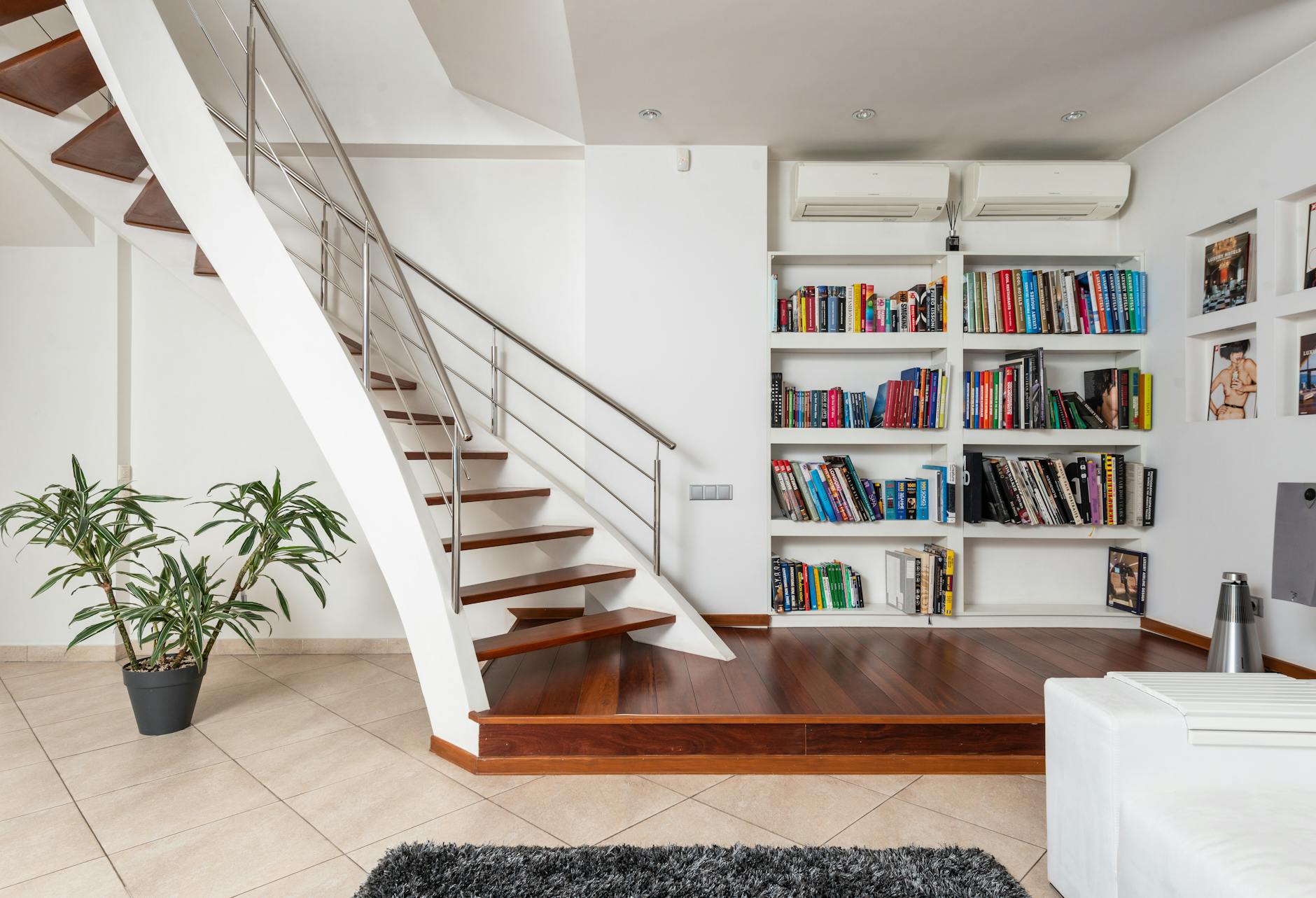
Musk’s approach to tiny homes is rooted in innovation and technology. He aims to create efficient, sustainable housing that can be produced at scale, making it accessible to more people.
By leveraging advanced manufacturing techniques, Musk envisions homes that can be built quickly and affordably. This could revolutionize the housing market, reducing the time and cost associated with traditional home construction.
Additionally, Musk’s focus on sustainability means that these homes will incorporate renewable energy sources, reducing their environmental impact. This aligns with his broader mission of promoting sustainable technologies across various industries.
The integration of smart home technology is another key aspect of Musk’s vision. These homes will not only be energy-efficient but also equipped with the latest tech to enhance the living experience.
Impact on Communities
The introduction of tiny homes has the potential to reshape communities. By providing affordable housing options, they can help alleviate homelessness and housing shortages in urban areas.
Communities that embrace tiny homes often see a revitalization of neighborhoods. These homes can encourage social interaction and foster a sense of belonging among residents.
Moreover, tiny home communities can be designed to include shared spaces, such as gardens and recreational areas, promoting collaboration and community engagement.
As more people choose to live in tiny homes, local economies may benefit from increased foot traffic and new businesses catering to this demographic.
Challenges and Considerations
Despite the benefits, the tiny house movement faces challenges. Zoning laws and building codes in many areas can hinder the development of tiny home communities.
Additionally, there is often a stigma associated with tiny living, as some view it as a temporary solution rather than a viable lifestyle choice. Overcoming these perceptions is crucial for the movement’s success.
Financing tiny homes can also be a hurdle. Traditional mortgage options may not be available for smaller properties, prompting the need for alternative financing solutions.
Lastly, the long-term sustainability of tiny home communities depends on their ability to integrate with existing infrastructure and services, ensuring that residents have access to essential amenities.
Frequently Asked Questions (FAQ)
What is Elon Musk’s Tiny House Revolution?
Elon Musk’s Tiny House Revolution refers to his advocacy for minimalist living and sustainable housing solutions. He reportedly lives in a small, prefabricated house near SpaceX, promoting the idea that smaller, efficient homes can reduce environmental impact and provide affordable living options.
How does tiny house living benefit the environment?
Tiny house living benefits the environment by reducing resource consumption, energy usage, and waste production. Smaller homes require fewer materials to build and maintain, leading to a smaller carbon footprint. This lifestyle encourages sustainable practices and a more mindful approach to consumption.
What are the financial advantages of tiny houses?
Tiny houses can significantly lower housing costs, including mortgage payments, property taxes, and utility bills. They often require less maintenance and can be built for a fraction of the cost of traditional homes, making homeownership more accessible for many individuals.
Are tiny houses suitable for families?
Yes, tiny houses can be suitable for families, depending on their design and layout. Many families adapt to this lifestyle by maximizing space through multifunctional furniture and clever storage solutions. However, it may require adjustments in lifestyle and a focus on minimalism.
What are the challenges of living in a tiny house?
Challenges of living in a tiny house include limited space, which can lead to clutter if not managed well. Additionally, families may struggle with privacy and storage. Zoning laws and finding suitable land for placement can also pose significant hurdles for potential tiny house owners.
Related posts
 Affordable Tiny Houses from Home Depot Under $50K
 Explore the Most Amazing Tiny Houses on Airbnb
 Elon Musk’s Tiny Home Choice Explained
 Must-See Tiny Homes on Amazon Before Buying a House
 Affordable Expandable Tiny Home Under $30k
 Affordable Fully Furnished Apple Cabin Tiny Home
 Is 1960s Homes the Ultimate Home Buying Resource for ABR®
 Fair Housing Declaration: Equal Housing Opportunities
 Goal of Charlotte, NC’s Homes for All Ages initiative
 Lot Size vs House Size: Does Lot Size Include House
 What are the occupancy limits under the Fair Housing Act
 Advantages and drawbacks of Senior Co-op Housing