Navigating the manufactured home market can be tricky. Discover key insights to avoid costly mistakes and ensure you make a smart investment in your future home.
Understanding Manufactured Homes
Manufactured homes, often referred to as mobile homes, are built in factories and transported to their final locations. They offer an affordable housing option for many families. However, understanding the differences between manufactured and traditional homes is crucial.
Manufactured homes are built to a federal building code, which differs from local building codes for site-built homes. This distinction can affect everything from financing options to resale value.


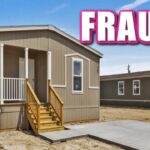

Knowing the various types of manufactured homes is also essential. Single-section homes are smaller and more affordable, while multi-section homes offer more space and amenities.
Before diving into the purchase process, familiarize yourself with the terminology and regulations surrounding manufactured homes. This knowledge will empower you to make informed decisions.
Common Pitfalls in the Buying Process

Many buyers fall victim to common pitfalls when purchasing manufactured homes. One of the biggest mistakes is not researching the dealer thoroughly. Always check reviews and ratings to gauge their reputation.
Another frequent issue is overlooking the total cost of ownership. Buyers often focus solely on the purchase price, neglecting factors like land costs, taxes, and maintenance expenses.
Additionally, failing to inspect the home properly can lead to significant problems later. Always conduct a thorough inspection, preferably with a professional, to uncover any hidden issues.
Understanding financing options is also crucial. Many buyers are unaware of the differences between chattel loans and traditional mortgages, which can greatly affect their purchasing power.
Financing Your Manufactured Home
Financing a manufactured home can be different from financing a traditional home. Understanding the various loan types available is essential for making the best financial decision.
Chattel loans are often used for manufactured homes, especially if the home is not permanently affixed to land. These loans typically have higher interest rates and shorter terms.
On the other hand, if the manufactured home is placed on a permanent foundation, it may qualify for a traditional mortgage, which usually offers better terms and lower rates.
It’s advisable to shop around for lenders who specialize in manufactured home financing. They can provide valuable insights and options tailored to your situation.
Choosing the Right Location
Location plays a significant role in the value and livability of a manufactured home. Consider the proximity to schools, shopping centers, and healthcare facilities when selecting a site.
Research local zoning laws and regulations, as these can impact where you can place your manufactured home. Some areas have restrictions that may limit your options.
Additionally, the community in which the home is located can affect your overall experience. Investigate whether the area has a supportive community for manufactured home residents.
Lastly, consider the environmental factors of the location. Flood zones, weather patterns, and natural disasters can all impact your home and should be taken into account.
Maintenance and Upkeep
Maintaining a manufactured home is crucial for preserving its value and ensuring a safe living environment. Regular maintenance tasks include checking for leaks, inspecting the roof, and maintaining the foundation.
Investing in quality materials for repairs and upgrades can save money in the long run. For instance, using durable siding can withstand weather better than cheaper alternatives.
Additionally, consider seasonal maintenance tasks, such as winterizing your home. This can prevent damage during colder months and extend the lifespan of your home.
Lastly, keep records of all maintenance work done on the home. This documentation can be beneficial for future resale and can help maintain the home’s value.
- Research different manufacturers and models to compare quality and price.
- Visit multiple dealers to see a variety of homes and understand pricing structures.
- Review financing options, including interest rates and terms for both chattel loans and traditional mortgages.
- Check for warranties offered by the manufacturer and dealer.
- Inspect the home for quality of construction, including materials used and overall craftsmanship.
- Understand the terms of the sale, including any additional fees for delivery and setup.
- Roof condition: Look for signs of wear, leaks, or damage.
- Plumbing: Check for leaks under sinks and around toilets.
- Electrical systems: Ensure that outlets and fixtures are functioning correctly.
- Heating and cooling systems: Test the HVAC system to ensure it operates efficiently.
- Windows and doors: Inspect for proper sealing and functionality.
- Land size: Ensure it is sufficient for your home and any additional structures or landscaping you desire.
- Access to utilities: Verify that water, electricity, and sewage systems are available and up to code.
- Zoning regulations: Confirm that the land is zoned for manufactured homes and understand any restrictions that may apply.
- Future development: Research any planned developments in the area that could affect your property value.
- Monthly checks for leaks or signs of wear.
- Seasonal inspections of heating and cooling systems.
- Annual roof inspections and gutter cleaning.
- Regular checks of the foundation for settling or cracks.
Frequently Asked Questions (FAQ)
What should I check before buying a manufactured home?
Before purchasing a manufactured home, inspect its condition, including the structure, plumbing, and electrical systems. Verify the manufacturer’s reputation and check for any outstanding warranties. Additionally, review local zoning laws and ensure the home meets safety standards.
How can I avoid scams when buying a manufactured home?
To avoid scams, work with reputable dealers and verify their credentials. Always get a written contract and read it carefully. Be cautious of deals that seem too good to be true and never pay in cash without proper documentation.
What financing options are available for manufactured homes?
Financing options for manufactured homes include traditional mortgages, personal loans, and specialized loans like FHA or VA loans. Research different lenders and compare interest rates, terms, and eligibility requirements to find the best option for your situation.
How do I determine the fair market value of a manufactured home?
To determine the fair market value, research similar homes in the area, considering factors like age, condition, and location. You can also consult a real estate appraiser or use online valuation tools to get a more accurate estimate.
What are common pitfalls to avoid when buying a manufactured home?
Common pitfalls include neglecting to inspect the home thoroughly, overlooking zoning regulations, and failing to understand the total cost of ownership, including land rental or maintenance fees. Always conduct due diligence to ensure a wise investment.
Related posts
 Top 5 Myths About Manufactured Homes Explained
 Modular vs Manufactured Homes: Key Cost Differences
 Understanding the True Cost of Manufactured Homes
 Affordable Tiny Manufactured Homes on Amazon Under $40k
 Mobile Homes: Pros and Cons of Manufactured Homes
 Avoiding Costly Mistakes When Buying Land for a Manufactured Home
 Why He Regretted Buying a Clayton Home
 Debunking 5 Myths About Modular Homes
 Avoid Costly Mistakes with Prefab & Manufactured Homes
 5 Reasons to Avoid Buying a Tiny Manufactured Home
 Modular Homes vs Stick Built: Costly Differences Explained
 Understanding Hidden Costs of Modular and Manufactured Homes